
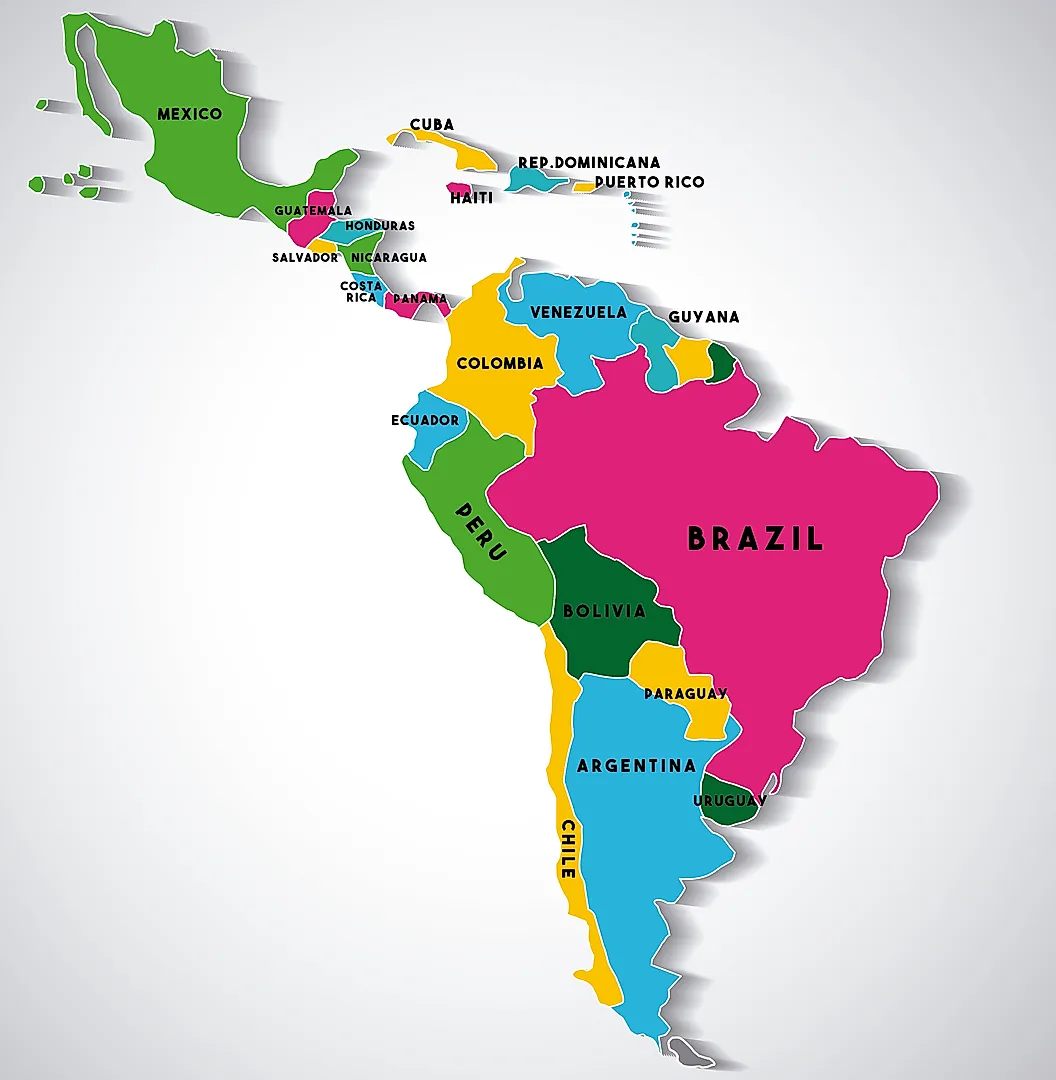
The number of confirmed hantavirus cases amongst passengers on Dutch cruise ship MV Hondius, which suffered an outbreak of the rat-related virus in April, has increased to seven as two more people tested positive. The ship had sailed from Tierra del Fuego, the southernmost province of Argentina, on April 1 and authorities are investigating whether “patient zero” — a Dutch man who died on April 11 — got infected during a visit to the Patagonia region. Hantavirus is an endemic disease in some parts of Patagonia and the south of Chile due to the presence of the long-tailed mouse (ratón colilargo), the main vector for its transmission. However, the rat is not present in Tierra del Fuego, and local authorities have denied the first victim of the outbreak caught the disease there. All people who remained aboard the cruise disembarked on Sunday in Tenerife, Spain, and were being repatriated to their respective countries. In a letter to the people of Tenerife, where the MV Hondius remained docked, World Health Organization (WHO) director-general Tedros Adhanom Ghebreyesus said that while he understood their concerns, they should not be worried about the passengers’ disembarkment. “I need you to hear me clearly: this is not another COVID-19. The current public health risk from hantavirus remains low,” he wrote. To the people of Tenerife,My name is Tedros, and I serve as the Director-General of the @WHO, the @UN agency responsible for global public health. It is not common for me to write directly to the people of a single community, but today I feel it is not only appropriate, it is… pic.twitter.com/lx05ji4a79— Tedros Adhanom Ghebreyesus (@DrTedros) May 9, 2026 Two new cases Over the past 24 hours, one United States national and one French citizen tested positive for the Andes variant of hantavirus, the only type that can be spread from human to human. The U.S. citizen “tested mildly PCR positive,” while another one had “mild symptoms,” the U.S. Department of Health and Human Services said on Sunday. The two U.S. citizens were airlifted to Atlanta, in southeast U.S., for further testing. Sixteen other U.S. nationals were also taken back to their country, and are currently at a specialized medical center belonging to the University of Nebraska, authorities from the institution said in a press briefing on Monday. The French patient began showing symptoms of hantavirus while on the repatriation flight to Paris along with four other nationals. Their health deteriorated on Sunday night, French Health Minister Stéphanie Rist told France Inter. So far, three people have died: a Dutch couple — believed to be the first two cases — and a German national. You may also be interested in: Hantavirus cruise company says 29 passengers disembarked before the outbreak was confirmed Where did the outbreak begin? While the cruise ship sailed from Ushuaia, the capital of Tierra del Fuego, local authorities say the Dutch couple could not have gotten sick there as there have not been any cases of hantavirus in the province since registries began in 1996. Chances of hantavirus transmission in Tierra del Fuego “are practically zero,” said provincial epidemiology and environmental health director Juan Petrina in a recent statement. “We believe this was a random occurrence. It just so happened that this ship departed from Ushuaia, but something similar could have happened from any port in the world,” Petrina said, given that while controls were conducted at the local port, the patients were asymptomatic when they boarded the ship. The Dutch couple arrived in Ushuaia on March 29, meaning they were in Ushuaia for just two days before the man began showing symptoms on April 6. The incubation period for hantavirus is usually two to three weeks, Petrina said. The Argentine health ministry is currently monitoring the situation and working to determine the origin of the outbreak while also assisting other countries with testing. “So far, there have not been any cases found to be related to this event in our country,” the ministry said, adding 42 cases have been reported in other parts of Argentina in 2026. CAPACIDAD ARGENTINA PARA PROTEGER A LA POBLACIÓN Y ASISTIR A OTROS PAÍSESAnte los casos de hantavirus vinculados al buque MV Hondius, que recaló en el puerto de Ushuaia durante su itinerario, activamos una respuesta estratégica para asistir a los países involucrados e… pic.twitter.com/iWx5ZkB0hG— Ministerio de Salud de la Nación (@MinSalud_Ar) May 8, 2026 The ministry stated that the Dutch couple arrived in Argentina on November 27, 2025, and traveled across Argentina, Chile and Uruguay for around four months by car before arriving in Ushuaia to join the cruise. The WHO has said they were on a bird-watching trip, “which included visits to sites where the species of rat that is known to carry Andes virus was present,” but they could still not trace where the initial infection occurred. Argentine President Javier Milei decided to withdraw Argentina from the WHO last year, a process which was formalized in March. While the Argentine government is cooperating with the WHO to assess the hantavirus outbreak, the health ministry has defended its decision to leave the organization, saying the country can engage in international cooperation “without giving up its power to make its own sanitary decisions.”
Hantavirus cruise cases rise to seven but WHO says infection risks are ‘low’
Date:


More like thisRelated
Expertos: Detectan hantavirus en Tierra del Fuego, pero no hay vínculo con el brote en cruceros

Expertos han detectado hantavirus en roedores capturados en la...
Enfermera dice que el plan de procedimientos de emergencia en el centro de atención domiciliaria de Maradona “no estaba claro”
Una enfermera que atendió a Diego Maradona dijo el...
Ex asistente de Maradona dice en juicio que estrella fue manipulada
Un trabajador de apoyo terapéutico que ayudó a Diego...
Trial begins in Argentina over the disappearance of five-year-old Loan Peña

The trial over the disappearance of Loan Danilo Pea...