
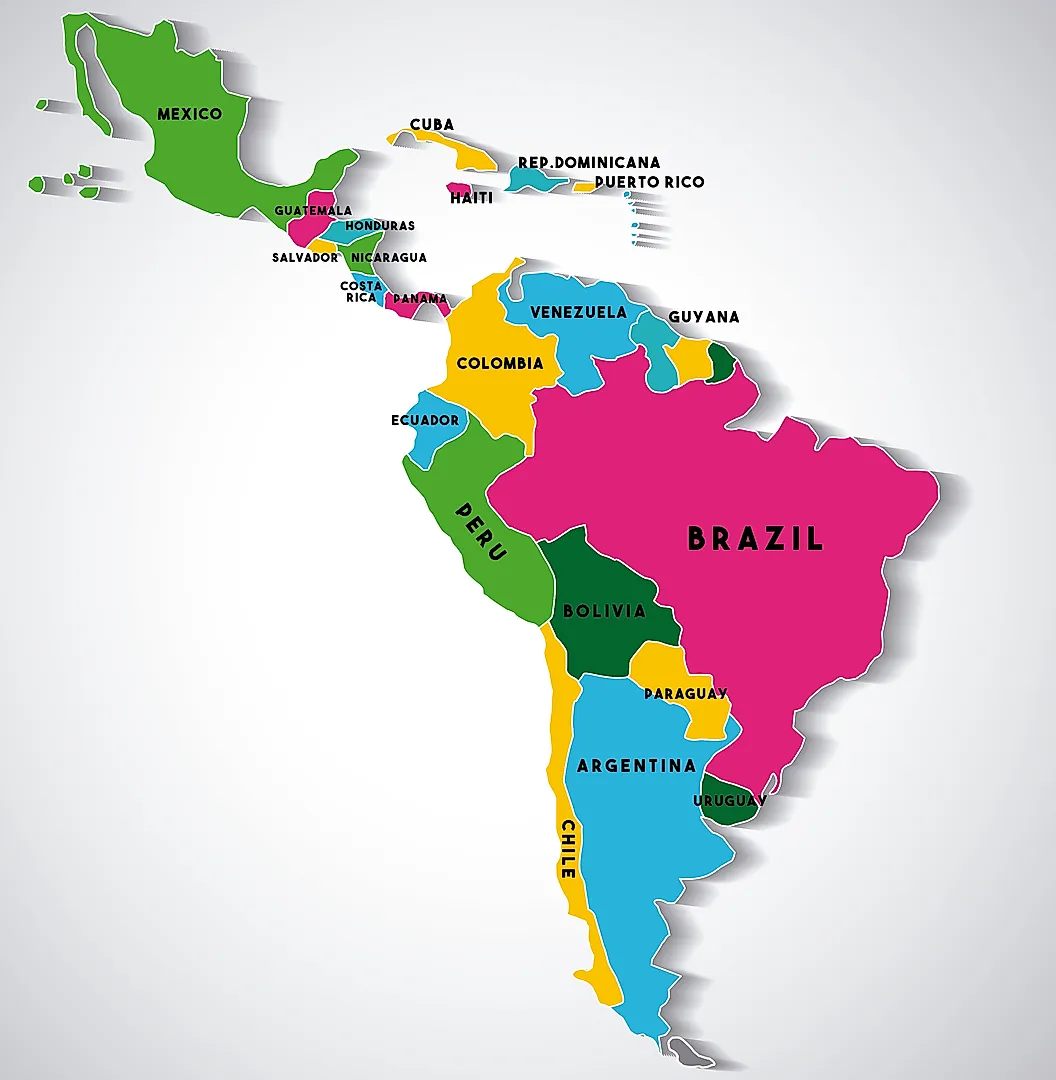
*Diego Herna Armesto is a lawyer with advanced studies in Human Rights (American University, College of Law). Former lecturer at the University of Buenos Aires; teaches at UNLP, UNAB, UCEMA, and UNC. Member of the Argentine Parliamentary and Constitutional Law associations and the New York State Bar Association. Two hundred and fifty years ago this month, a small committee in Philadelphia handed the modern world one of its most consequential documents. On July 4, 1776, the Continental Congress adopted the Declaration of Independence, announcing that the thirteen colonies were now free and independent states. The true achievement, however, was not the severing of a political bond with Britain. It was the birth of an idea one that would soon light a path across an entire continent. The words belonged principally to Thomas Jefferson. Chosen by his fellow delegates for what John Adams admired as his “peculiar felicity of expression,” the young Virginian took the task of composition and produced a masterpiece. He did not claim to invent new principles. As he later explained, he sought only to place before mankind the common sense of the matter, to give voice to the mind of the United States. That modesty was itself a mark of genius. Jefferson distilled the scattered convictions of an unsettled people into a few luminous sentences that have never lost their force. At the heart of the Declaration lies a claim addressed not only to those born in the U.S. but, in Jefferson’s phrase, to a candid world: that all men are created equal, endowed by their Creator with certain unalienable rights, among them life, liberty, and the pursuit of happiness. From this flows a revolutionary theory of legitimate power that governments derive their just powers from the consent of the governed and that when they betray the rights they were made to protect, the people may alter or abolish them. Authority, for the first time in such plain terms, was declared a trust rather than an inheritance. These were not abstractions confined to one nation. The Declaration was, as its own authors understood, an inspiration to all peoples who might one day settle their own affairs and steer by that same star. Within a generation, people in South America took up the cry. From Caracas and Buenos Aires to Bogot and Santiago, what happened in Philadelphia was seen across the hemisphere as proof that colonies could become nations, that consent could replace crowns, and that liberty was not the privilege of one people but the birthright of all. The North American Revolution became the first act of an American age. Yet the men of 1776 knew that a declaration is a beginning, not the end. To proclaim equality is to accept a permanent obligation to pursue it. The genius of Jefferson’s preamble is that it set a standard higher than any government could immediately reach a promise deliberately larger than its moment. Ever since, those wanting to widen the circle of freedom and dignity have returned to those words to demand that the promise be kept. The Declaration became a summons that each generation must answer anew. That is the meaning worth commemorating. The building of a nation is never finished; it is the patient, unending labor of holding a people to its own ideals. Liberty, equality, and the fellowship of citizens are not monuments to be admired but tools placed in the hands of the living so that the pursuit of happiness might belong to all. Two and a half centuries on, the star that rose in the West still asks the same question of every free people: not what was won, but what we are willing to build.
How 1776 lit a continent
Date:


More like thisRelated

Venezuela is thousands of kilometers away. I still feel it in my bones

I had been living in Buenos Aires for 8...
Chinese tourism is an opportunity for Argentina

This piece is part of the Argentine-Chinese Chamber of...
Borges, the man who turned Argentine literature into a laboratory

History likes symmetries and mild anachronisms, but it’s hard...